Are you struggling to figure out the best fishing times or when wildlife is most active? The solunar theory is a powerful tool that helps you plan your outdoor adventures by predicting animal activity based on moon phases and solar positioning.
Whether you’re an experienced angler or a weekend hunter, understanding solunar periods can give you a serious edge. Here’s how it works—and how you can use it.
What Is the Solunar Theory?
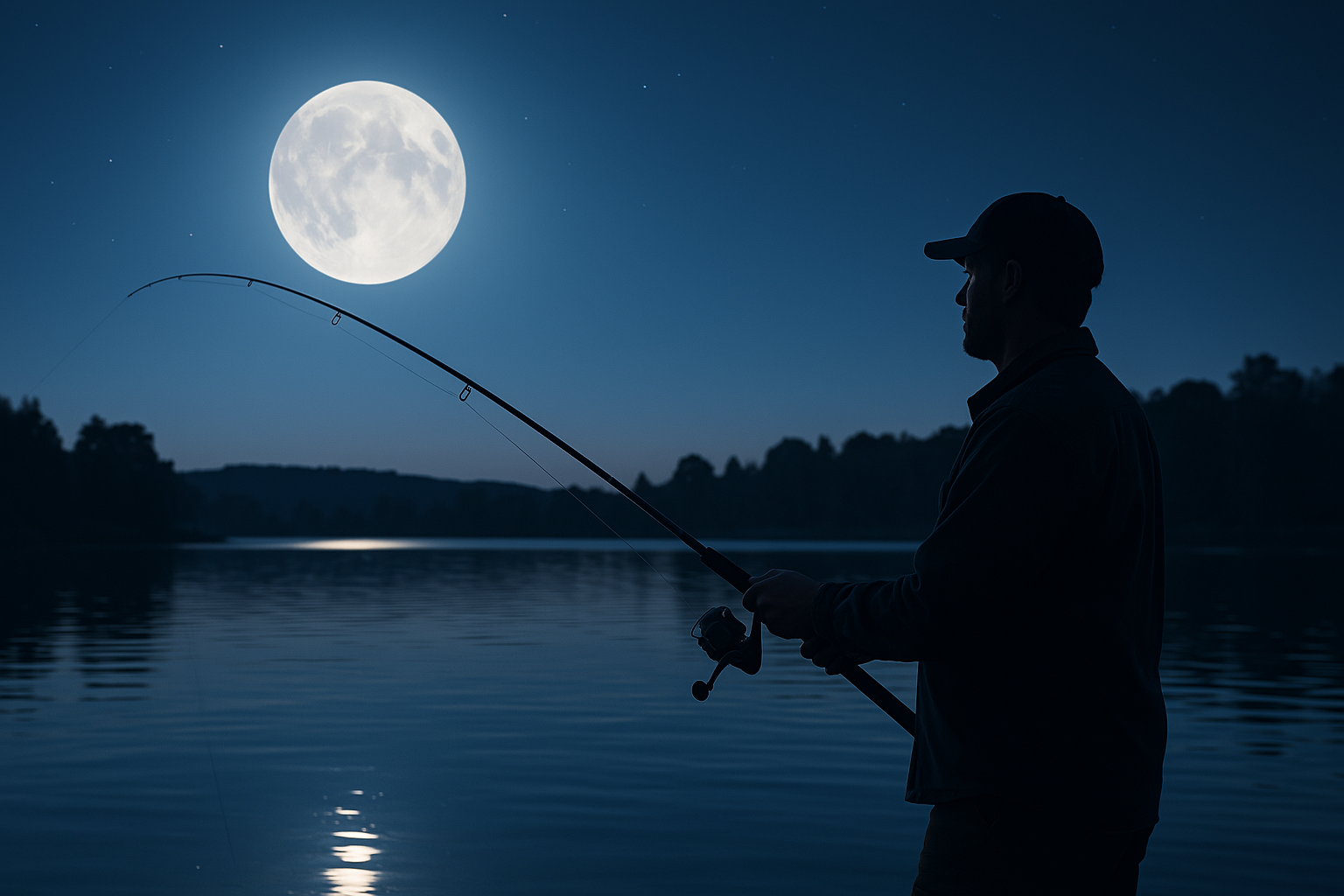
The solunar theory was first introduced by John Alden Knight in the 1920s. It suggests that fish and game activity follows predictable patterns based on the moon’s position relative to the Earth and sun.
There are four daily solunar periods:
Major Periods: When the moon is directly overhead or underfoot
Minor Periods: When the moon rises or sets
During these windows, animals are more active making them the best times for fishing or hunting.
Why Use Solunar Times for Fishing and Hunting?
By planning your trips during solunar periods, you increase your chances of success. Think of it as nature’s schedule: fish are more likely to feed, and animals are more likely to move.
Benefits of using the solunar calendar:
Higher catch rates
Less wasted time outdoors
Strategic, informed planning
Enhanced overall experience
Moon Phases and Fishing Success
Moon phases directly influence animal activity. Here’s what each phase means for fishing and hunting:
Moon phase
Activity level
Full Moon
Very High
New Moon
Very High
First Quarter
Moderate
Last Quarter
Moderate
Wanning/Waxing
Lower
Using a solunar calendar along with moon phase data can drastically improve your outing results.
Boost Accuracy With Weather Data
Solunar data works best when combined with real-time weather information like:
Barometric pressure
Wind speed & direction
Temperature & cloud cover
The Solunar Time Forecast app combines these elements to help you find the best times to fish or hunt—backed by both solunar science and hourly weather forecasts.
Find Today’s Best Fishing Times Instantly
No more guessing. Use solunar insights to plan your next outdoor trip with precision.
One response to “Solunar Theory Explained: How to Find the Best Fishing and Hunting Times”
[…] Solunar periods are specific windows of time each day when fish and wildlife are most likely to feed and move. These periods are based on the position of the moon relative to the Earth, a concept popularized by the Solunar Theory. […]

[…] Solunar periods are specific windows of time each day when fish and wildlife are most likely to feed and move. These periods are based on the position of the moon relative to the Earth, a concept popularized by the Solunar Theory. […]